The Ultimate Color Combinations Cheat Sheet

Scheme № 1: A complementary combination
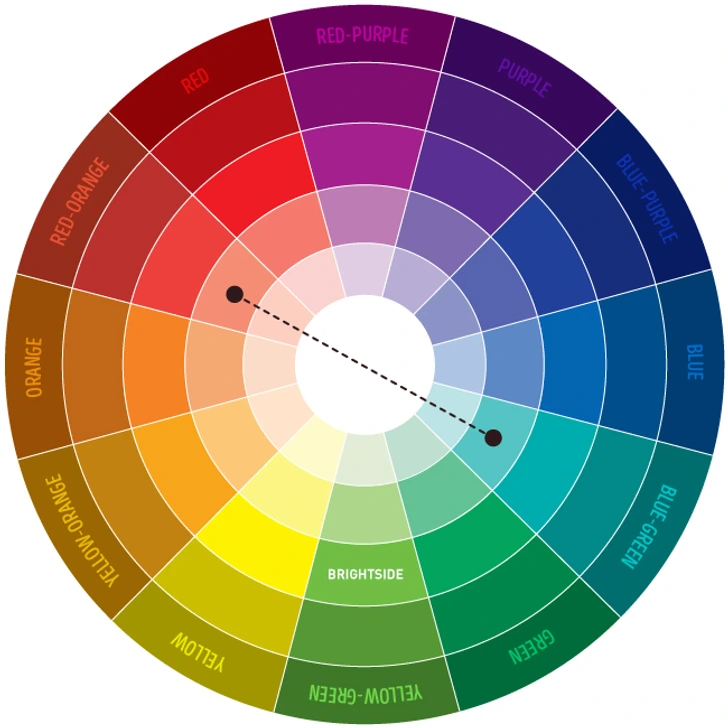
Complementary (also known as supplementary or contrasting) colors are colors that sit opposite of each other on the Itten color circle. The combination of such colors creates a vivid and energizing effect, especially at maximum saturation.

Scheme № 2: The triad — a combination of three colors
A Triad is a combination of 3 colors that are equidistant from each other on the color circle. It produces a high contrast effect while preserving ’harmony.’ Such a composition looks vibrant even when you use pale and unsaturated colours.

Scheme № 3: An analogous combination
This is a combination of 2 to 5 (ideally 2 to 3) colors that are ajacent to each other on the color circle. It creates a calming, likeable impression. Here’s an example of combining analogous muted colors: yellow-orange, yellow, yellow-green, green, blue-green.

Scheme № 4: The split complementary combination
A variation on the complementary color combination. In this case, you take one primary color and two complementary ones (the colors that lie on both sides of the primary color’s antipode on the color circle). The effect created by such a scheme is just as contrasting as the one before but slightly less intense. If you feel unconfident about using the complementary scheme, use the split complementary instead.

Scheme № 5: The tetrad — a combination of four colors
This is a scheme that includes one primary and two complementary colors, plus an additional color that highlights the accents. An example: blue-green, blue-violet, orange-red, orange-yellow.


Scheme № 6: The square
A combination of 4 colors that are equidistant from each other on the color circle. In this case, the colors differ from each other in tone, but are also complementary. This creates a dynamic, vivid, and playful effect. An example: violet, orange-red, yellow, blue-green.

Combinations of individual colours
- White: combines with everything, especially blue, red and black.
- Beige: combines with blue, brown, emerald, black, red, white.
- Gray: combines with fuchsia, red, violet, pink, blue.
- Pink: combines with brown, white, mint green, olive, gray, turquoise, light blue.
- Fuchsia (dark pink): combines with gray, yellow-brown, lime, mint green, brown.
- Red: combines with yellow, white, fulvous, green, blue, black.
- Tomato-red: combines with cyan, mint green, sand, creamy-white, gray.
- Cherry-red: combines with azure, gray, light-orange, sandy, pale-yellow, beige.
- Raspberry-red: combines with white, black, damask rose.
- Brown: combines with bright-cyan, cream, pink, fawn, green, beige.
- Light-brown: combines with pale-yellow, cream-white, blue, green, purple, red.
- Dark-brown: combines with lime-yellow, cyan, mint green, purple-pink, lime.
- Reddish-brown: combines with pink, dark-brown, blue, green, purple.
- Orange: combines with cyan, blue, lilac, violet, white, black.
- Light-orange: combines with gray, brown, olive.
- Dark-orange: combines with pale-yellow, olive, brown, cherry.
- Yellow: combines with blue, lilac, light-cyan, violet, gray, black.
- Lemon-yellow: combines with cherry-red, brown, blue, gray.
- Pale-yellow: combines with fuchsia, gray, brown, shades of red, yellowish brown, blue, purple.
- Golden yellow: combines with gray, brown, azure, red, black.
- Olive: combines with orange, light-brown, brown.
- Green: combines with golden-brown, orange, salad green, yellow, brown, gray, cream, black, creamy-white.
- Salad green: combines with brown, yellowish-brown, fawn, gray, dark-blue, red, gray.
- Turquoise: combines with fuchsia, cherry-red, yellow, brown, cream, dark-violet.
- Electric colors: combines with golden-yellow, brown, light brown, gray, or silver.
- Cyan: combines with red, gray, brown, orange, pink, white, yellow.
- Dark-blue: combines with light-lilac, cyan, yellowish-green, brown, gray, pale-yellow, orange, green, red, white.
- Lilac: combines with orange, pink, dark-violet, olive, gray, yellow, white.
- Dark-violet: combines with golden-brown, pale-yellow, gray, turquoise, mint green, light-orange.
- Black is a universal colour — it looks elegant in any combination, especially with orange, pink, salad green, white, red, mauvish, or yellow.
Comments

WOWOW

I don't know about this someone helps me

bad
pig
pig

Related Reads
15+ True Gift Stories That Prove the Most Meaningful Presents Are Always the Ones That Show Someone Was Paying Attention

11 Family Stories Where a Child’s Secret Behavior Had Everyone Worried, From Hidden Coins to a Napping Grandpa

13 Stories That Teach Us a Little Wit and Quick Thinking Can Turn Any Awkward Situation Into a Good Story

10 Kindness Moments That Prove Children Can Teach Their Parents the Most Important Lessons

16 Acts of Kindness That Teach Us Why Compassion Still Hides Inside the Things We Give Away

12 Handmade Gifts That Teach Us Every Craft Carries a Piece of Someone’s Kind Heart

13 Heartfelt Family Stories That Prove Kinship Brings Hope Back Home

10 Quiet Acts of Kindness and Generosity That Nobody Was Supposed to Know About

16 Family Stories Where Help Came From an Aunt, a Teenage Nephew, and Even the Husband Who Couldn’t Stand the Cat

12 Animal Shelter Moments That Prove the Smallest Acts of Kindness Can Create the Biggest Bonds

A Wisconsin Grandmother Refused to Take One Young Mom’s Money. Her Basement Explained Why

13 Kids Whose Small Hearts Can Teach Adults Big Lessons About Kindness and Family