I Said I’m Child-Free, and My Coworker Ran Straight to HR

People
hour ago
I Said I’m Child-Free, and My Coworker Ran Straight to HR

Some conversations at work stay harmless. Others somehow end up in HR’s inbox. One of our readers learned this the hard way after casually mentioning she doesn’t want kids — a comment that sent a certain coworker into full meltdown mode. Here’s what happened.

Her letter:

AI-generated Image

So I (29F) told my coworkers I’m child-free. Not in a dramatic “announcement” way — it came up during lunch when someone asked if I ever planned on having kids. I said, “No, not for me,” and that was it... or so I thought.

Apparently, it wasn’t.

One coworker, Linda (38F), took it personally. She has three kids and talks about them nonstop. Whatever — her life. But after I said I didn’t want kids, she started making little comments like, “Must be nice to be selfish,” or “You’ll change your mind when you grow up,” even though I am, in fact, a full adult with a mortgage.

I ignored it until last month when she asked me to cover her shifts “because you don’t have kids and have more free time.” I said no and told her having children was her choice, not a scheduling cheat code.

She did NOT like that.

She lost it. The next day, she cornered me in the break room, calling me “anti-mother” and saying people like me ruin “family-oriented workplaces.” I told her to stop harassing me and walked out.

She reported me to HR.

HR pulled me in with a stack of “statements” from her mom-friends claiming I was hostile toward parents. Security footage and chat logs told the real story — Linda had been trying to dump work on “the child-free girl” for months. HR wrote her up hard.

The wild part? HR then asked me to help fix the workload policy. Linda showed up crying, saying I’d made her feel like a bad mom. HR shut her down: “This is about boundaries, not motherhood.” She avoids me now. Honestly? Huge upgrade.

Sincerely,

X.

Choosing to be child-free: A quiet struggle

AI-generated Image

Meh, just seeing her self-destruct ? Why don't you record her act and spread it around her neighbors and family. Make her regret for ever trying to trouble you ?

-
-
Reply

Voluntarily choosing not to have children — being child-free — is a conscious, intentional decision. The word “childfree” has been around for more than a century, but it became widely recognized during the women’s liberation movements of the 1970s.

Today, more women around the world are deciding not to become mothers, especially in highly developed countries. Across Europe, nations like Austria, Spain, and the U.K. report some of the highest rates of childlessness among women in their early forties.

But the path to that choice isn’t always straightforward. Some women have children out of pressure or fear — fear of judgment, fear of loneliness, fear of missing out — not because they genuinely want to be parents. Therapists say they meet women who are absolutely certain they want kids, absolutely certain they don’t, and many more who feel torn between both realities.

For those in the middle, the decision can feel like an internal tug-of-war. It requires learning to separate your own desires from society’s expectations, cultural norms, and the voices of family and friends. It also means looking at the past — how childhood experiences, trauma, or emotional neglect may be influencing how you feel about motherhood today.

The more honestly you explore those influences, the clearer your decision becomes.

Being child-free isn’t the “easy way out.” It’s a thoughtful choice that requires self-awareness, courage, and time. Giving yourself permission to question what you truly want is one of the most respectful things you can do for yourself — and for any future child who might otherwise become part of a life chosen out of fear instead of desire.
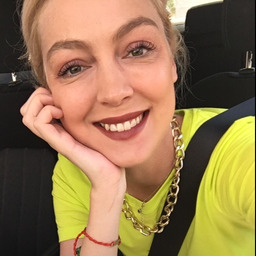
Why coworkers can judge you.

Many people rely on something to stay sharp at work—whether it’s a double espresso, anxiety meds, or ADHD prescriptions. But research shows we often judge coworkers for using the exact same tools we quietly depend on ourselves.

According to a study in the Journal of Consumer Research, people tend to view their own aids as justified “enhancements,” while assuming others are cheating or less capable. In competitive environments like the workplace, that bias becomes stronger.

This double standard creates stigma—where honesty about needing help can backfire socially or professionally, even in a workplace full of quiet enhancers. The reality? Most people get help. We just pretend we don’t.

So you can be judged for the decisions you’ve made while others are still hesitating.

And until we recognize that, we’ll keep punishing others for being honest about the very things we hide ourselves.

13 Coworkers Who Took Workplace Drama to New Levels

Comments

Get notifications
Lucky you! This thread is empty,
which means you've got dibs on the first comment.
Go for it!

Related Reads